Aftercare advice for laser hair removal can arrive as one long list of restrictions. The steps do not all serve the same purpose: some help protect recently treated skin, while others relate to preparation for the next appointment.
Mild redness and swelling can happen after treatment, and a cool compress may help. The exact advice about heat, exercise, skin products, and shaving depends on your treatment and your provider’s instructions.
Before an appointment, you may be asked to shave the area and pause methods that pull hair from the follicle, such as waxing and plucking. Ask your treating clinic which methods to avoid between visits and when to stop them before your next session.
The two kinds of aftercare rules
Skin recovery: cooling a warm or tender area, avoiding direct sun, and pausing products or activities only for the period your clinic recommends. These instructions focus on recently treated skin, and timing varies.
Preparation for the next session: you may need to shave before the appointment and pause methods that pull hair from the follicle. Confirm which methods and timing apply to your plan.
Sun protection is a separate instruction that can continue after a session and between appointments. A missed step does not automatically mean a treatment has to be cancelled or that results are lost; contact your provider for advice about your situation.
Why shaving and waxing are treated differently
Laser hair removal targets pigment in the hair; the light becomes heat that affects the follicle. Shaving cuts hair at the skin surface, while waxing or plucking pulls it from the follicle.
Many preparation instructions favor shaving shortly before a session and pausing waxing, plucking, or electrolysis in advance. Ask your provider whether threading is included and how long each restriction applies to you.

What to expect in the first few hours
Mild redness or swelling can occur after treatment. A cool compress may help with discomfort. If you are unsure whether a reaction is expected, contact the clinic that treated you.
Instructions about heat, exercise, and skincare products can differ by treatment, area, and individual. Follow the aftercare list from the clinic that treated you rather than applying a general timeline to every procedure.
Sun, self-tanner and tanning beds
Protect treated skin from direct sun and avoid indoor tanning. Ask your provider how long these precautions should continue between sessions.
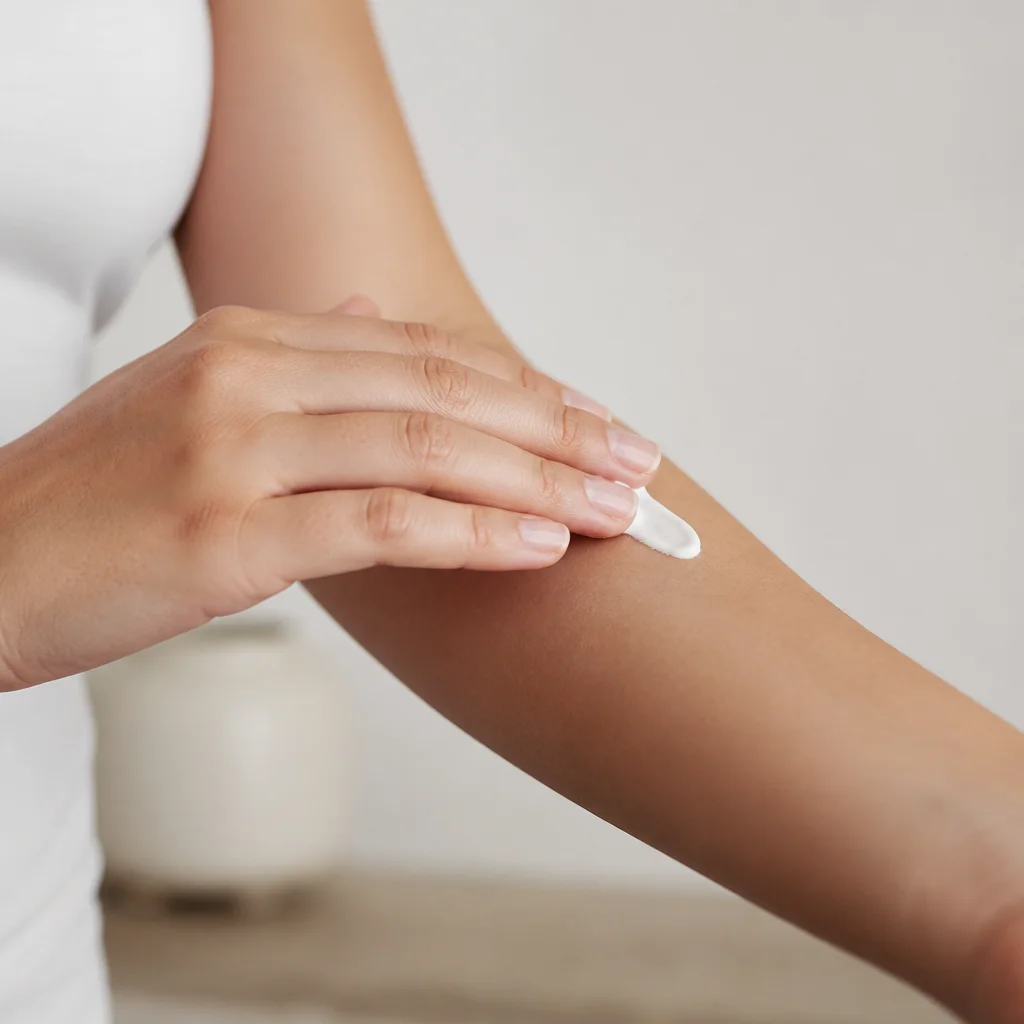
Some published aftercare guidance recommends protecting treated skin from sun for six weeks after treatment and between sessions, or as your healthcare professional directs. Use broad-spectrum sunscreen with SPF 30 or higher on exposed skin.
Before your next appointment, ask about sun exposure, tanning beds, and self-tanner; your clinic can tell you when to avoid them. Alladerm carries EltaMD sunscreens. Ask your care team which product, if any, fits your routine and provider’s instructions.
What to do when the hair grows back
Seeing hair between sessions does not necessarily mean treatment has failed. Treated hair may shed over several days to weeks, and most people need a series of appointments.
If your skin has settled, ask your treating clinic when shaving is appropriate and whether it wants the area shaved before your next appointment. Do not shave irritated or uncomfortable skin.
Check with your provider before waxing, plucking, threading, or electrolysis. Some published preparation guidance recommends stopping waxing, plucking, and electrolysis at least four weeks before an appointment; that is a pre-treatment window, not a universal rule for the whole gap between sessions.
When to call instead of waiting it out
Contact the clinic that treated you if you notice blistering, crusting, or other concerning skin changes. Your provider can tell you what to watch for and whether you need care.
Tell your provider before the next appointment about changes that may affect your plan, such as a new medication, recent sun exposure, or hair removal by waxing or plucking. The clinic can advise whether to adjust the timing.
Before your next session
When you receive an aftercare instruction, ask whether it is for skin recovery, preparation for the next session, or both. Sun protection can continue after treatment and between sessions, while the timing for shaving and other hair-removal methods should come from your provider.
If you are considering laser hair removal or have questions about a course already underway, start with a conversation about your skin, treatment areas, and schedule. Alladerm’s treatment planner can help you explore options; it does not replace a consultation with your provider.
Sources & further reading
This article offers general guidance based on the references below. The instructions from your treating clinician take priority.
Mayo Clinic — Laser hair removal: preparation, risks, and aftercare.
American Academy of Dermatology, Laser hair removal: FAQs.
American Academy of Dermatology, Laser hair removal: preparation.