
Table of Contents
Chemical Peel or Exfoliation Treatment: How to Choose the Right Option
For anyone looking in the mirror and noticing dullness, uneven tone, or clogged pores that just won’t clear up, it’s easy to wonder if regular exfoliating products are enough. The challenge lies in finding a method that truly renews the skin, without irritation or downtime. In this article, you’ll discover how chemical peels compare to other exfoliation methods and how to determine which one fits your unique skin type and goals.
Understanding How Exfoliation Works
Exfoliation removes dead skin cells that accumulate on the surface, revealing fresher, smoother skin beneath. As we age, our cell turnover naturally slows, making skin appear dull, textured, or uneven. Exfoliating regularly, whether at home or professionally, helps restore that youthful glow and allows skincare products to absorb more effectively.
There are two main types of exfoliation:
- Physical exfoliation involves manually scrubbing with grains, brushes, or tools.
- Chemical exfoliation, which uses acids or enzymes to dissolve dead skin cells without friction, is gently.
Both can be beneficial, but the method and depth of treatment determine how effective and safe they are for your skin.
What Makes Chemical Peels Different?
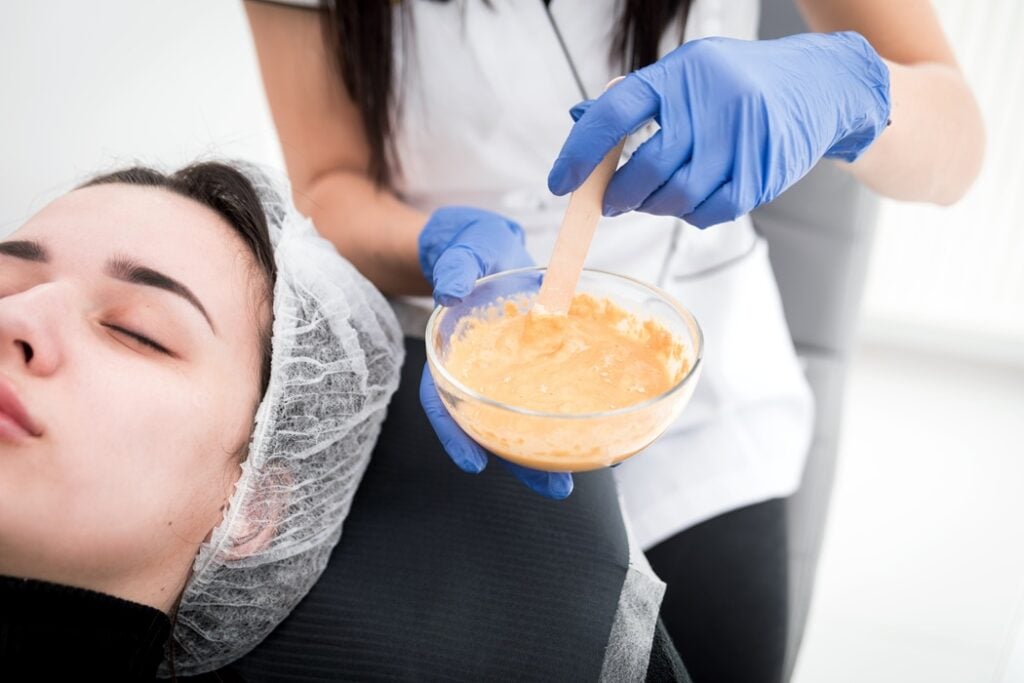
A chemical peel is a professional-grade exfoliation treatment that uses safe, medical-strength acids (such as glycolic, lactic, salicylic, or TCA) to penetrate the skin’s surface. Unlike over-the-counter exfoliants, peels are applied in controlled layers by a licensed professional to reach specific depths depending on your goals.
Chemical peels:
- Smooth fine lines and wrinkles
- Fade dark spots and acne scars
- Unclog pores and reduce breakouts
- Improve skin tone, texture, and clarity
- Stimulate collagen production for long-term renewal
Depending on the formulation, peels can be superficial, medium, or deep, each targeting different layers of the skin. At Alladerm, customized peels are tailored to your skin type and sensitivity level to ensure visible improvement without harsh irritation or downtime.
Comparing Chemical Peels to Other Exfoliation Methods
1. Over-the-Counter Exfoliating Products
Products like scrubs, exfoliating cleansers, or toners provide mild, surface-level exfoliation. While effective for maintenance, they can’t reach deeper skin layers or correct advanced concerns like pigmentation or fine lines.
2. Microdermabrasion
Microdermabrasion utilizes a diamond-tip or fine crystal device to exfoliate dead skin cells physically. It’s gentle and great for smoothing texture, but its effects are primarily superficial compared to chemical peels that penetrate deeper and trigger cellular renewal.
3. Enzyme Masks
Enzyme exfoliants, often made from fruit enzymes like papaya or pineapple, gently dissolve dead skin proteins without acids or abrasion. They’re perfect for sensitive skin but don’t offer the collagen stimulation or pigment correction that peels provide.
4. Laser Resurfacing
Laser treatments, such as Laser Genesis, use focused light energy to target deeper skin layers for tightening and rejuvenation. While powerful, they come with higher costs and downtime compared to most chemical peels.
How to Know Which Exfoliation Method Is Right for You?
Choosing the right exfoliation method depends on your skin type, goals, and sensitivity level:
- For dull, uneven skin, a light chemical peel or enzyme treatment can restore brightness.
- For acne-prone or oily skin, salicylic acid peels or microdermabrasion can help unclog pores.
- For fine lines or pigmentation, medium-strength peels or laser treatments deliver noticeable results.
- For sensitive or rosacea-prone skin, gentle enzyme exfoliation provides calm refinement without irritation.
It’s best to consult a licensed skincare professional who can evaluate your skin’s needs and build a treatment plan that combines exfoliation with nourishment and protection.
The Benefits of Professional Guidance
Even the most advanced at-home exfoliants can’t match the precision and safety of professional treatments. At Alladerm in Aliso Viejo, licensed practitioners assess your skin, customize the depth and type of peel, and guide you through aftercare for optimal results. Our goal is to deliver rejuvenation that feels refreshed, not irritated, so your skin looks its healthiest and most radiant.
Takeaway
Whether you’re seeking a gentle glow-up or serious rejuvenation, exfoliation is essential to maintaining youthful, healthy skin. While scrubs and enzyme masks can maintain texture, chemical peels go deeper, stimulating renewal at a cellular level for lasting radiance.
By understanding your options and working with an experienced skincare professional, you can select the method that provides your skin with the care it truly deserves in a safe and effective manner.
At Alladerm, your chemical peel is customized to ensure you get the most benefits from treatment. Whatever your concerns may be, there is always an option for you. Book your appointments at 949-916-7166. We are located in Aliso Viejo, CA.
FAQs
- How often should I get a chemical peel?
Mild peels can be done monthly for maintenance, while medium or deeper peels are typically spaced several months apart. Your provider will customize a schedule for your goals and skin condition.
- Do chemical peels hurt?
You may feel mild tingling or warmth during the treatment, but discomfort is minimal. Professional peels are closely monitored for safety and neutralized at the right moment.
- Can I do a chemical peel at home?
At-home peels use lower acid concentrations and can help maintain results, but professional peels deliver deeper, more consistent outcomes and should always be performed by a trained expert.
- What’s the recovery time for a chemical peel?
Light peels may cause mild flaking for a few days, while medium peels can take up to a week for full recovery. You’ll be advised on gentle skincare and sun protection during healing.
- Are chemical peels safe for darker skin tones?

Yes, when performed by experienced professionals using the right formulations. Certain peels, such as lactic acid or mandelic acid, are ideal for deeper skin tones and minimize the risk of pigmentation.
- How soon will I see results from a chemical peel?
Most clients notice brighter, smoother skin within a week, with ongoing improvement over multiple sessions as collagen and cell turnover increase.