
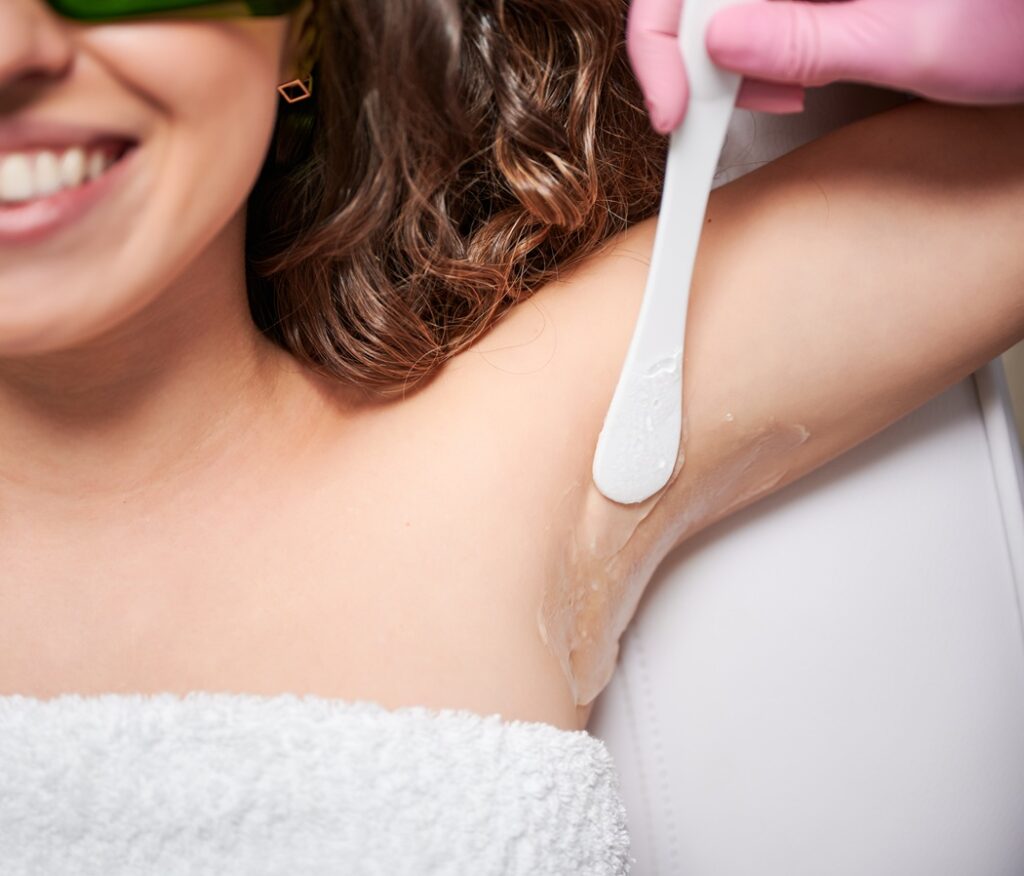
If you’re planning laser hair removal and thinking about bleaching your hair beforehand, you are making the treatment less effective. It’s a common mistake, especially for people treating facial hair, arms, or other visible areas between sessions. Many clients want to feel more comfortable while waiting for results, but few realize that bleaching can interfere with how laser technology works. Keep reading to learn why bleaching hair before your laser session is a bad idea to avoid laser hair removal mistakes that can affect your results.
Table of Contents
Understanding How Laser Targets Hair
Laser hair removal works by targeting the pigment (melanin) inside the hair follicle. The laser energy travels down the hair shaft and heats the follicle, helping reduce future growth. This process works best when the hair is darker because darker pigment absorbs laser energy more effectively. That’s why people with dark hair often see the best results.
Bleaching Hair Before Laser Hair Removal Is a Problem
Bleaching lightens the pigment that the laser needs to see. When hair becomes lighter:
- The laser has less pigment to target
- Treatment may become less effective
- Hair reduction can slow down
In some cases, the laser may struggle to properly detect the follicle altogether. So while bleaching might temporarily make hair less visible, it can work against the actual goal of permanent reduction.
Why Do People Bleach Before Laser?
This is especially common with facial hair. Many people feel self-conscious during the process of laser hair removal because hair doesn’t disappear immediately. Since multiple sessions are required, some choose bleaching as a way to make the hair less noticeable between appointments. It’s understandable, but unfortunately, it can interfere with progress.
Is It Safe to Bleach Hair Between Laser Hair Removal Sessions?
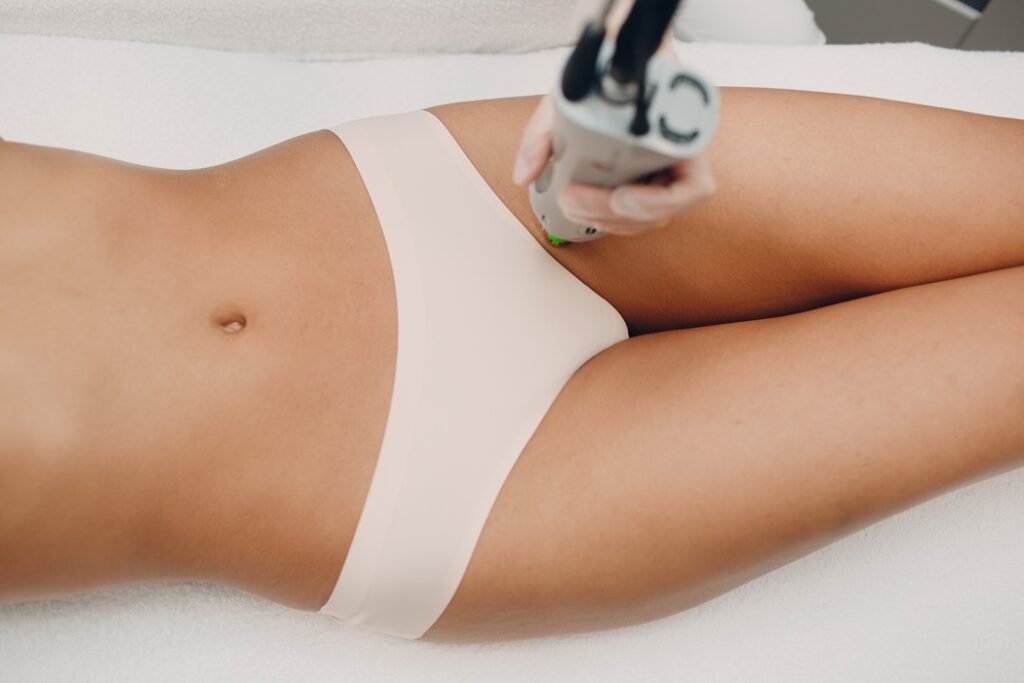
Bleaching between sessions is not always dangerous, but timing matters. If bleaching is done too close to your appointment, the laser may not be able to effectively target the hair follicle. In addition, bleaching products can sometimes irritate the skin, especially in sensitive areas like:
- Upper lip
- Bikini line
- Underarms
That irritation can increase discomfort during treatment. If you’re considering bleaching between sessions, it’s best to discuss timing with your provider first.
What Happens If You Accidentally Bleach Before Treatment?
Don’t panic, it happens more often than you think. Your provider may recommend postponing treatment until some natural pigment returns. In some situations, treatment can still proceed, but results may not be as strong or predictable. The impact depends on:
- How light the hair became
- The treatment area
- Your natural hair color
Better Alternatives Between Laser Sessions
The safest option between sessions is usually shaving. Shaving removes hair at the surface while leaving the follicle intact underneath the skin. That means the laser can still effectively target it during future appointments. Most providers recommend avoiding:
- Waxing
- Tweezing
- Threading
These methods remove the follicle completely.
Dos & Don’ts Checklist Between Laser Hair Removal Sessions
| Recommended Between Sessions | Best to Avoid |
| Shaving treated areas | Bleaching hair close to appointments |
| Using gentle skincare products | Waxing or tweezing |
| Wearing sunscreen daily | Harsh exfoliants on sensitive skin |
| Keeping skin hydrated | Excessive sun exposure |
Following these guidelines helps protect your skin and improve the effectiveness of your laser hair removal treatments.
Does Bleaching Affect All Laser Treatments Equally?
Not always. Coarser, darker hair may still respond somewhat even after mild bleaching. However, finer hair already contains less pigment, so bleaching can make treatment much less effective. This is one reason professional consultation matters, as hair type changes everything.
Takeaway
Bleaching hair before laser hair removal may seem harmless, but it can interfere with how effectively the laser targets the follicle. Laser technology relies on pigment, preserving your hair’s natural color helps improve treatment performance and long-term results. If you’re unsure about bleaching between sessions, it’s always better to ask your provider first instead of risking slower progress. The goal isn’t just making hair less visible temporarily; it’s reducing it long-term.
At Alladerm, we use advanced technology to safely and effectively perform laser hair removal for all skin types. Our experts also guide you through the aftercare process so you know exactly how to protect your skin and get the smooth results you’re looking for. Book your laser hair removal appointment at (949) 916-7166. Our clinic is located in Aliso Viejo.
FAQs
Can I bleach my hair before laser hair removal?
It’s generally not recommended. Laser hair removal works by targeting pigment in the hair follicle, and bleaching reduces that pigment. This can make treatments less effective and may slow down your results.
How long should I wait after bleaching before laser hair removal?
Many providers recommend waiting until some natural hair pigment returns before your appointment. The exact timing depends on how much the hair was lightened and the treatment area. Your provider can guide you based on your hair type and laser settings.
Does bleaching hair affect laser hair removal results?

Yes, it can. Since lasers rely on dark pigment to target the follicle, lighter or bleached hair may not absorb the laser energy as effectively. This can reduce the effectiveness of the treatment.
What’s the safest way to manage hair between laser sessions?
Shaving is usually the safest and most recommended method. It removes hair at the surface while keeping the follicle intact for future laser treatments. Most providers advise against waxing, tweezing, or threading during treatment.
Can bleaching products irritate skin before laser treatment?
Yes, especially in sensitive areas like the upper lip, bikini line, or underarms. Bleaching products may leave the skin irritated or more sensitive before laser treatment. This can increase discomfort during your session.